Why Every Student Should Consider an Internship

Why Every Student Should Consider an Internship
In today’s fast-changing world, learning cannot remain limited to textbooks and classrooms. While academic knowledge builds a strong foundation, real growth begins when learners experience how ideas work in the real world.
This is where internships play a powerful role. They provide a bridge between theory and practice, helping young minds explore industries, build confidence, and develop skills that classrooms alone often cannot offer.
Turning Knowledge into Real Experience
Many concepts make sense in theory, but understanding them deeply often requires practical exposure. Internships allow learners to apply what they have studied to real situations.
Whether it is working on a project, observing professionals, or solving simple challenges, the experience transforms learning from something abstract into something meaningful.
This hands-on exposure helps develop a clearer understanding of how industries operate and how different skills come together to solve real problems.
Discovering Interests and Career Paths
Choosing a career can be confusing when exposure is limited. Internships provide a chance to explore different fields before making long-term decisions.
By experiencing real work environments, young learners can discover what excites them, what challenges them, and where their true interests lie. Sometimes an internship confirms a passion; other times, it helps rule out a path that seemed interesting at first.
Either way, the experience provides valuable clarity.
Building Confidence Through Real Responsibility
Confidence grows when people step outside their comfort zones. Internships introduce learners to new environments, expectations, and responsibilities.
Completing tasks, collaborating with others, and contributing to projects gives a sense of achievement. Even small accomplishments can create a powerful boost in self-belief.
Over time, this exposure helps individuals become more comfortable communicating ideas, asking questions, and taking initiative.
Developing Skills Beyond Academics
Education builds knowledge, but internships develop skills that are equally important in professional life.
During an internship, participants often strengthen abilities such as:
Communication and teamwork
Problem-solving and critical thinking
Time management and discipline
Adaptability in dynamic environments
These skills play a significant role in future academic and professional success.
Understanding How the Professional World Works
For many young people, the professional world can feel distant or unclear. Internships provide an early introduction to workplace culture, expectations, and collaboration.
Learning how teams function, how projects are managed, and how decisions are made offers insights that cannot easily be taught in classrooms.
This understanding prepares individuals to enter future opportunities with greater awareness and readiness.
Creating Meaningful Connections
Another powerful advantage of internships is the opportunity to interact with mentors and professionals.
These interactions can inspire new ideas, offer guidance, and sometimes even open doors to future opportunities. Learning directly from experienced individuals often accelerates growth and broadens perspectives.
Preparing for the Future
The world is evolving rapidly, and future careers will demand more than academic achievements alone. Experience, skills, and adaptability are becoming increasingly important.
Internships help young learners begin this journey early, equipping them with exposure that makes them more prepared for the challenges ahead.
A Step Toward Real-World Learning
Internships are more than short-term experiences. They are stepping stones toward personal growth, career exploration, and practical learning.
By stepping into real environments and engaging with real challenges, learners gain insights that shape their confidence, skills, and aspirations.
Sometimes, the most powerful learning happens not just in classrooms, but in the experiences that bring knowledge to life.
Tags
More Blogs
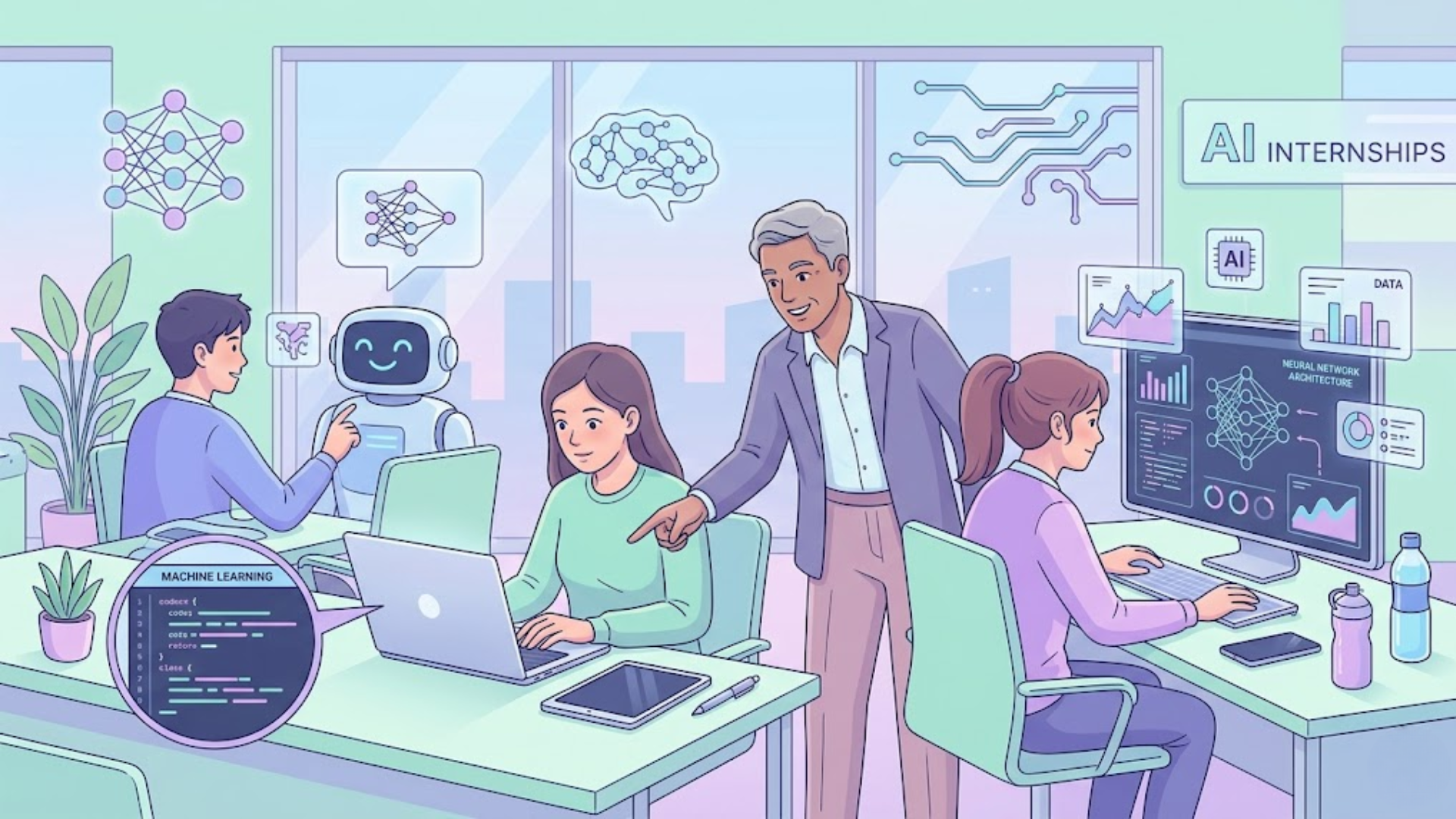
How AI Internships Introduce Learners to the Future of Technology

Why Manga and Comic Storytelling is a Powerful Skill for Creative Minds
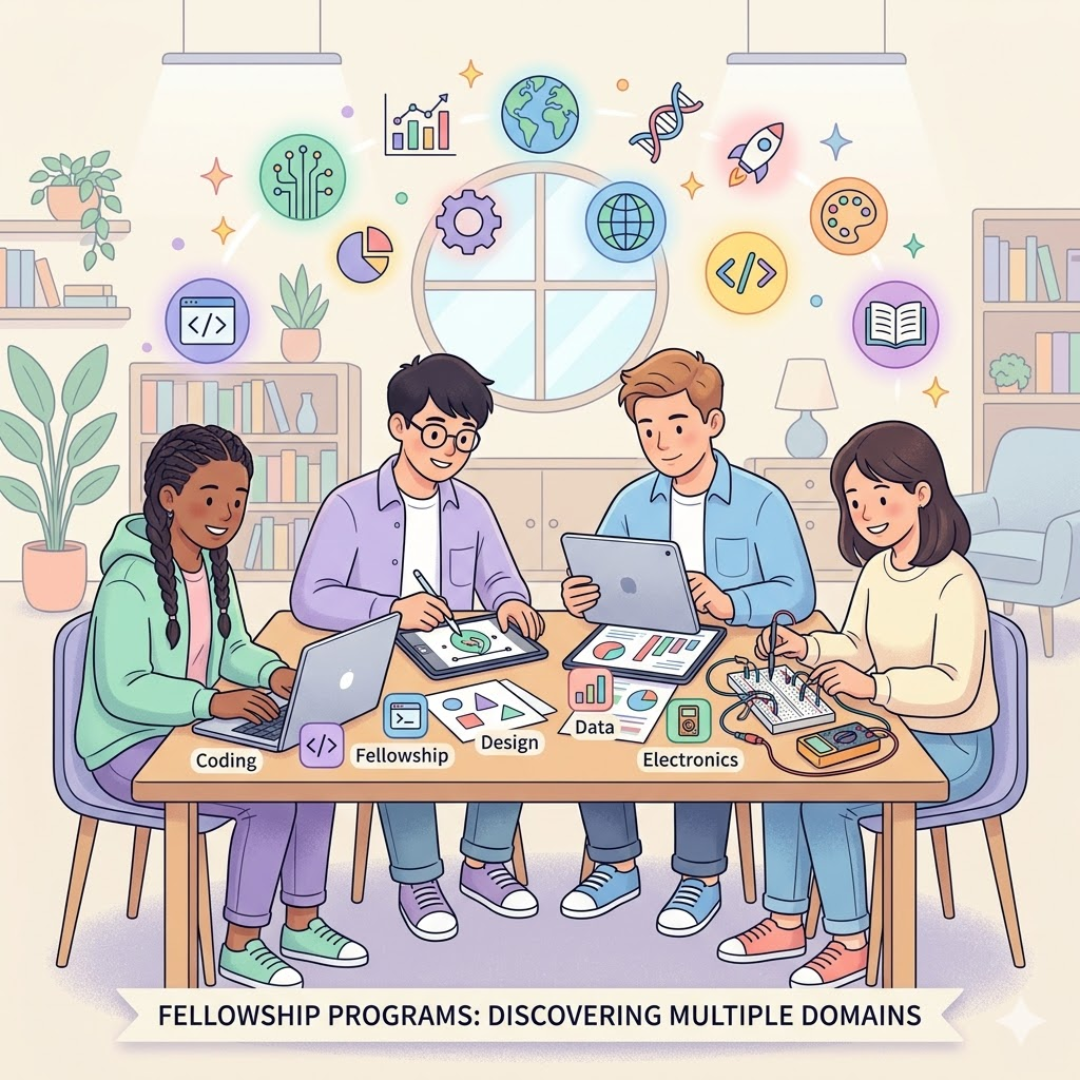
Exploring Different Domains Through Fellowships

Why Every Young Learner Should Explore a Fellowship
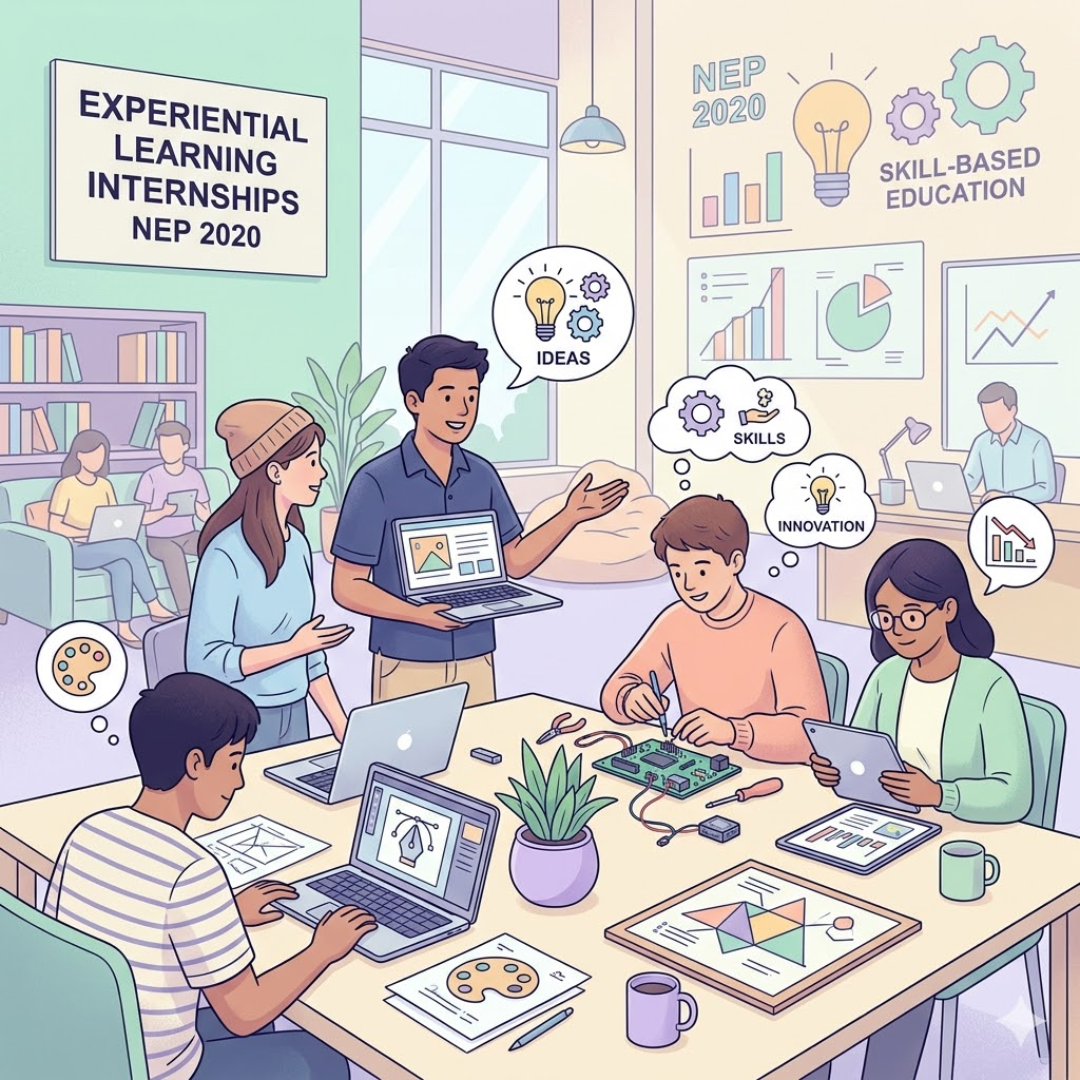
Why Internships Are Important Under NEP 2020
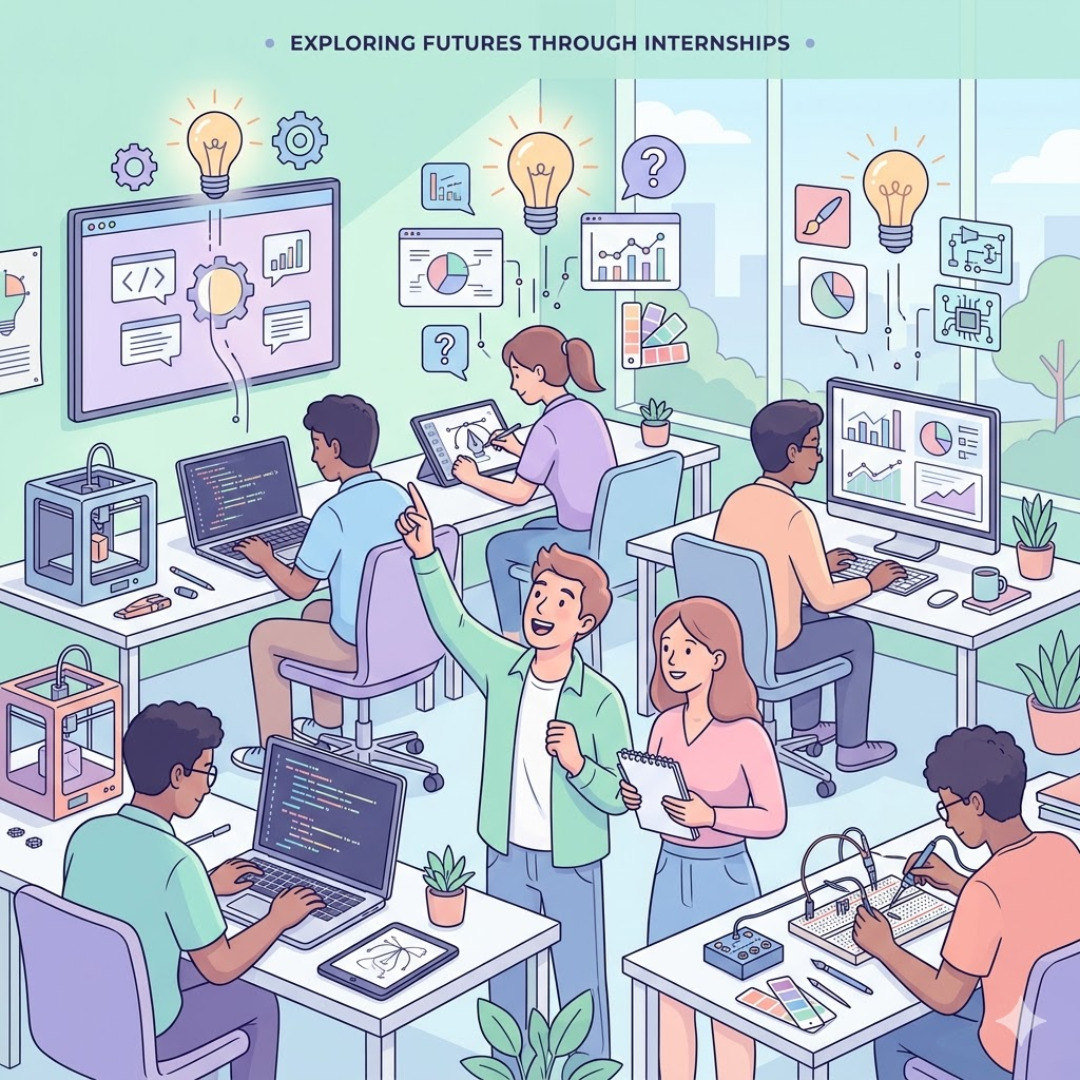
How Internships Help Discover Career Interests

How Internships Boost Confidence in Students