Why Every Young Learner Should Explore a Fellowship
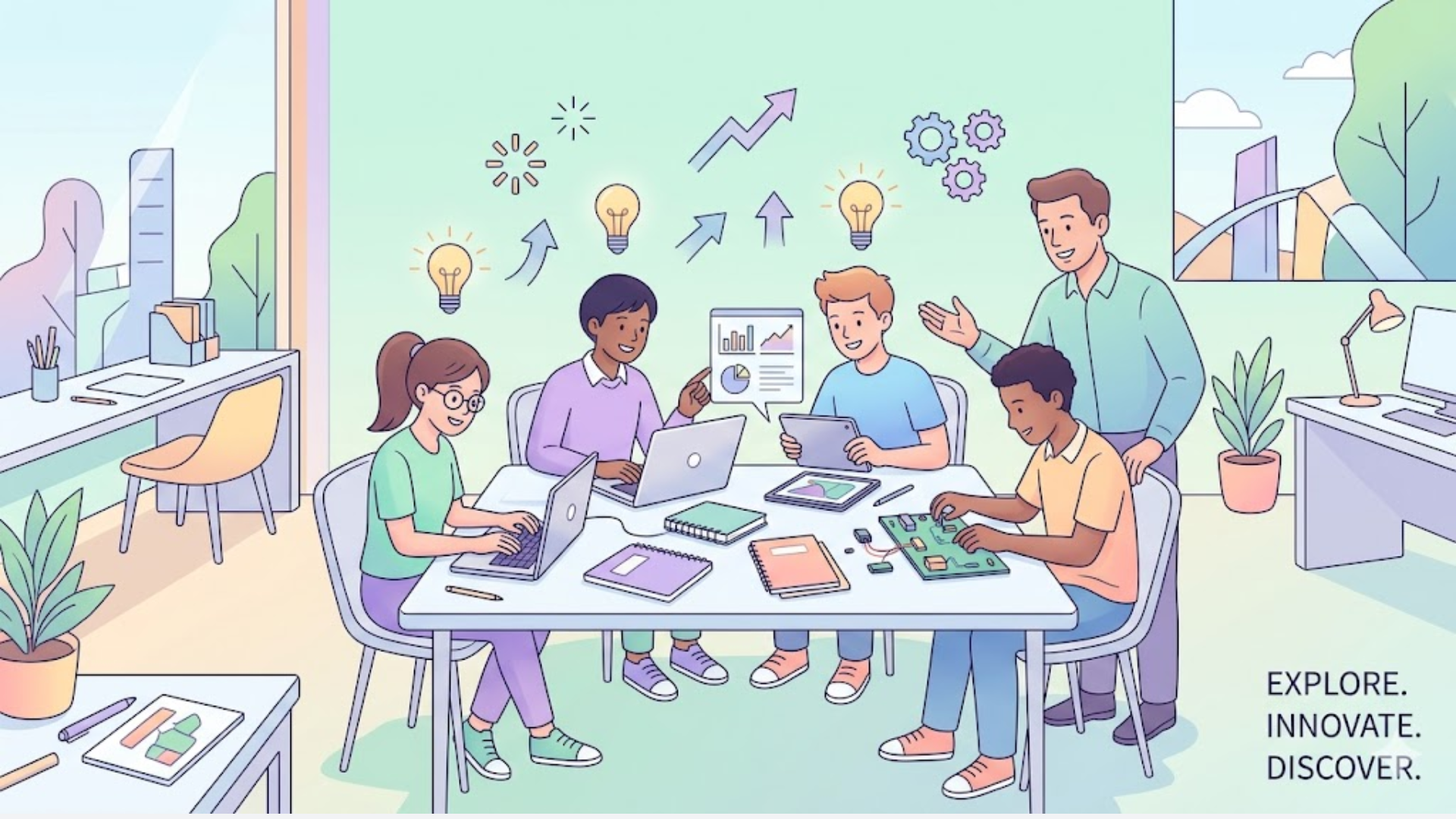
In an age where the world is changing faster than ever, learning is no longer confined to classrooms. Young minds today have endless possibilities to explore, experiment, and excel. One of the most powerful ways to do this is through fellowships. These structured programs offer opportunities that go far beyond traditional education, enabling learners to discover themselves, gain practical experience, and prepare for the future. Whether it’s science, arts, social initiatives, technology, or entrepreneurship, fellowships provide a platform to learn by doing, explore real-world challenges, and build meaningful connections. Let’s dive into why every young learner should consider embarking on this journey. Fellowships are a gateway to self-discovery. Many learners are unsure about their strengths or interests, often limited by the subjects they study at school. Fellowships expose them to diverse fields and projects, helping them understand what truly excites and motivates them. For instance, a student may join a science fellowship and realize their passion for environmental research or participate in a design fellowship and discover a love for creative problem-solving. This early exploration can shape future academic choices, career paths, and personal growth. Traditional education focuses on theory, but fellowships emphasize practice. Participants are challenged to solve real-world problems, manage projects, conduct research, and work collaboratively. These hands-on experiences help develop: Critical thinking and problem-solving skills Leadership and team collaboration Communication and presentation abilities Time management and self-discipline By engaging with tasks that require creativity and initiative, learners develop a skillset that goes beyond grades and exams—preparing them for college, careers, and life challenges. One of the most valuable aspects of a fellowship is networking. Learners meet mentors who guide them through projects, provide feedback, and share their experiences. This mentorship helps young minds make informed decisions, avoid common pitfalls, and gain insights into different careers. Moreover, fellowships bring together like-minded peers from diverse backgrounds. Collaborating on projects, sharing ideas, and facing challenges together builds friendships and connections that can last a lifetime. These relationships often lead to future collaborations, internships, and opportunities. Stepping into a fellowship means taking responsibility for your learning. From initiating a project to presenting findings, learners learn to trust their abilities. This hands-on experience fosters independence, resilience, and confidence. Overcoming challenges in a supportive yet real-world setting allows young learners to understand their strengths and weaknesses, take calculated risks, and approach problems with a growth mindset—qualities that are critical for success in any field. Fellowships offer more than learning—they produce tangible outcomes. Learners can showcase their projects, research, or social initiatives as part of a growing portfolio. This collection of work demonstrates skills, creativity, and dedication, which can be valuable for college applications, scholarships, or early career opportunities. Additionally, some fellowships allow participants to create an impact in the community or industry, instilling a sense of purpose and contribution. Making a difference early on builds motivation and a lasting commitment to personal and societal growth. Many fellowships encourage cross-cultural collaboration or involve solving global challenges. Young learners get exposure to ideas, perspectives, and problems from around the world. This broadens their understanding, encourages empathy, and nurtures innovative thinking. Such global awareness is increasingly important in an interconnected world where collaboration and adaptability are key. Perhaps the most enduring benefit of a fellowship is the mindset it develops. Beyond the specific skills or projects, learners cultivate curiosity, perseverance, and self-directed learning habits. These habits are invaluable—not only in academics and careers but in navigating life confidently and creatively. To truly benefit from a fellowship, young learners should: Be proactive: Take initiative and ask questions. Embrace challenges: Treat every task as a learning opportunity. Reflect regularly: Understand what skills, strengths, and interests are developing. Network actively: Learn from mentors and peers, and build lasting connections. By approaching a fellowship with curiosity, commitment, and openness, learners can maximize both personal growth and future opportunities. Fellowships are more than just programs—they are transformative experiences. They empower young learners to explore, create, and grow in ways that traditional education cannot. By engaging in fellowships early, learners gain clarity about their passions, develop essential life skills, and start building a foundation for a successful and fulfilling future. Every young mind deserves the chance to step into the world, learn through action, and discover their potential. Fellowships make that possible.Why Every Young Learner Should Explore a Fellowship
1. Discover Your True Interests and Passions
2. Gain Practical Skills That Classrooms Don’t Teach
3. Build Meaningful Connections with Mentors and Peers
4. Boost Confidence and Independence
5. Create a Portfolio of Achievements and Impact
6. Develop a Global Perspective
7. Cultivate Lifelong Learning Habits
Making the Most of a Fellowship
Why Fellowships Matter
Tags
More Blogs

How AI Internships Introduce Learners to the Future of Technology

Why Manga and Comic Storytelling is a Powerful Skill for Creative Minds
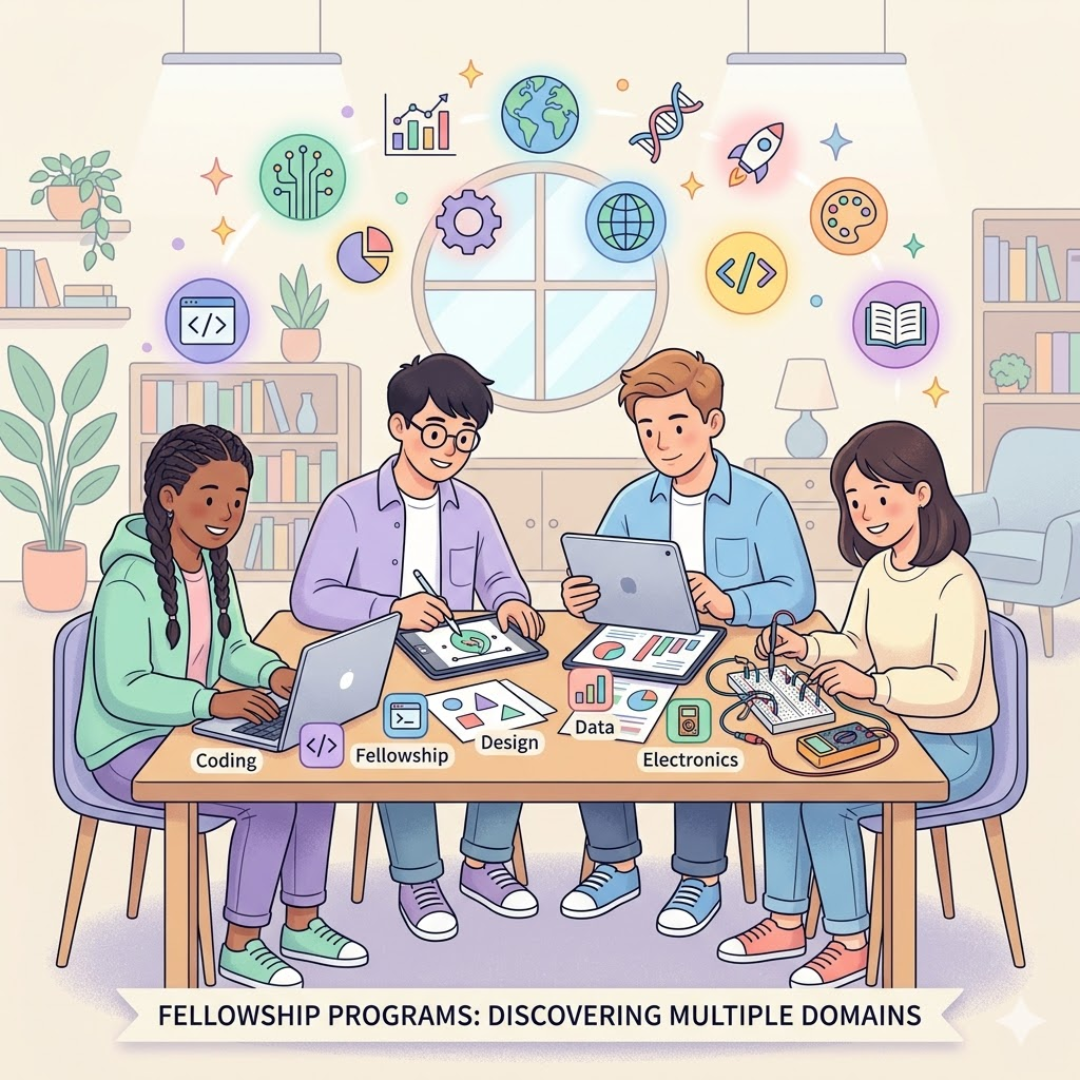
Exploring Different Domains Through Fellowships
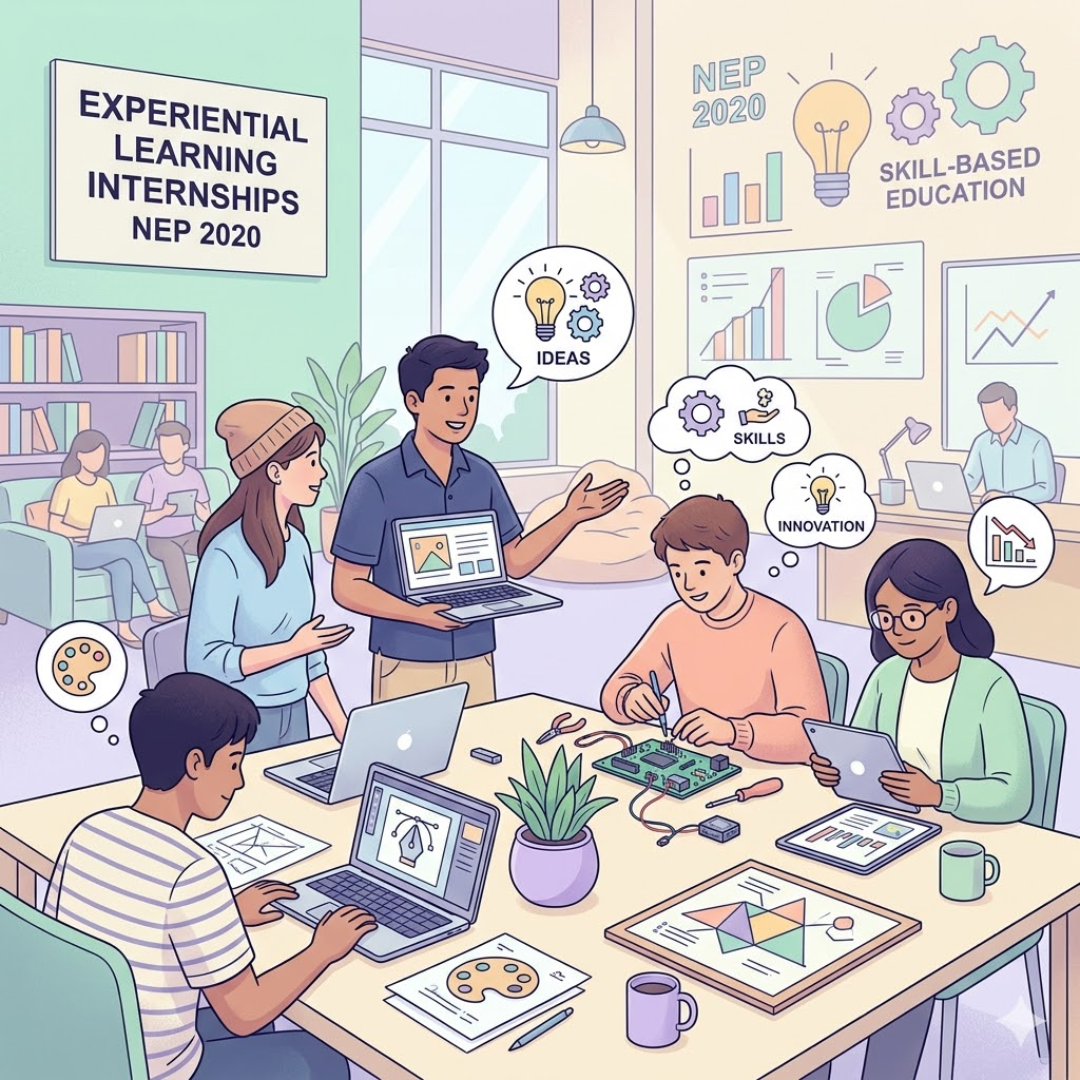
Why Internships Are Important Under NEP 2020

Why Every Student Should Consider an Internship

How Internships Help Discover Career Interests
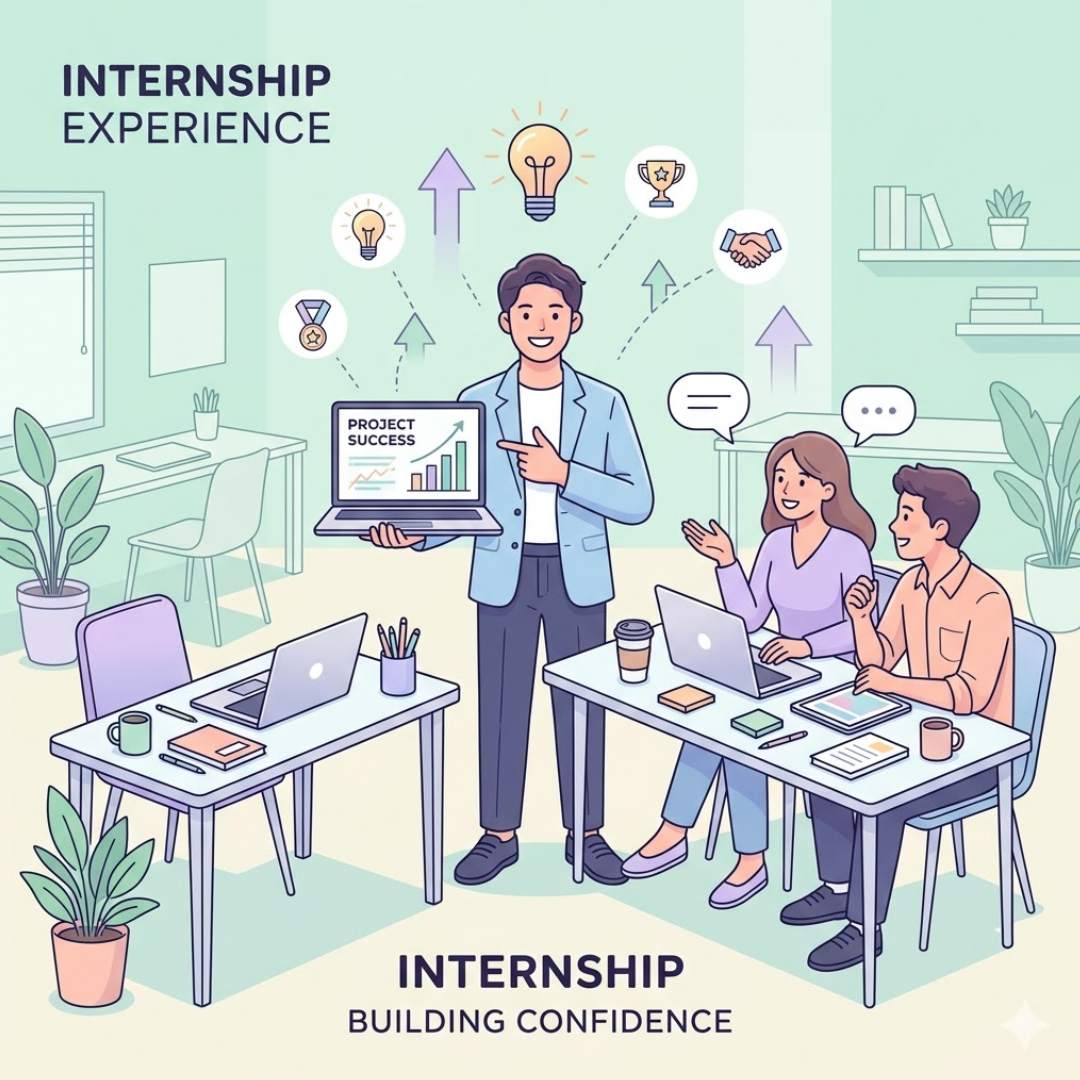
How Internships Boost Confidence in Students